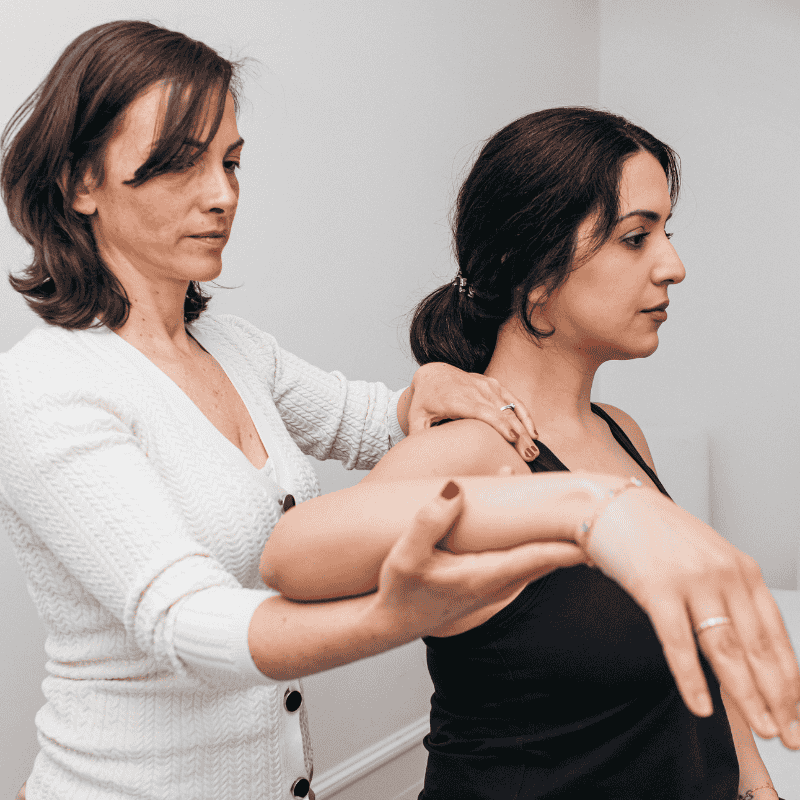
5.0 ★★★★★ 100+ reviews on Google
5.0 ★★★★★ 90+ reviews on Google
Expert Assessment and Treatment for Elbow Pain
Expert Assessment and Treatment for Tendinopathy
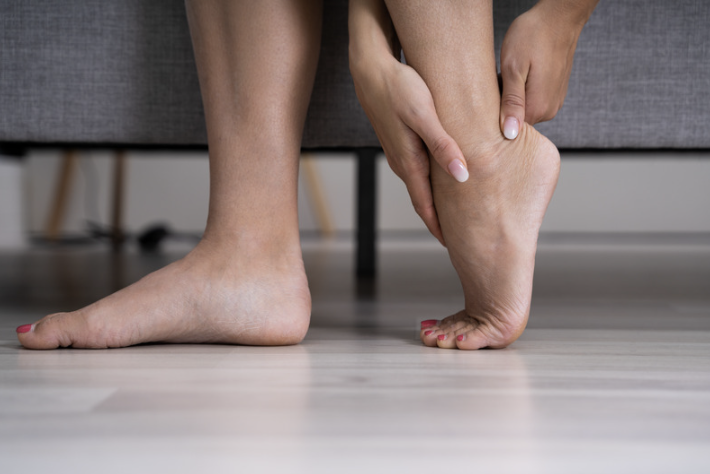
Tendinopathy
Tendinopathy is a common condition that affects the tendons, the strong tissues that connect muscles to bones. It can develop gradually over time or after a sudden increase in activity, often causing pain, stiffness and reduced function.
Whether related to sport, work or repetitive strain, tendon pain can make everyday movements and exercise more difficult.
At Wellthy Clinic, we provide personalised care to help reduce pain, restore movement and support long-term recovery.
Understanding Tendinopathy and Signs to Watch For
Tendinopathy occurs when a tendon becomes irritated and struggles to cope with the load placed upon it. It most commonly affects the shoulders, elbows, wrists, knees and Achilles tendon.
Early assessment can help identify the affected tendon, understand what may be contributing to your symptoms and guide the most appropriate treatment plan.
Common symptoms and signs of tendinopathy include:
Pain during or after activity
Tenderness over the affected tendon
Morning stiffness
Pain when loading or exercising
Reduced strength
Swelling or thickening around the tendon
Difficulty returning to sport or exercise
Symptoms that persist despite rest
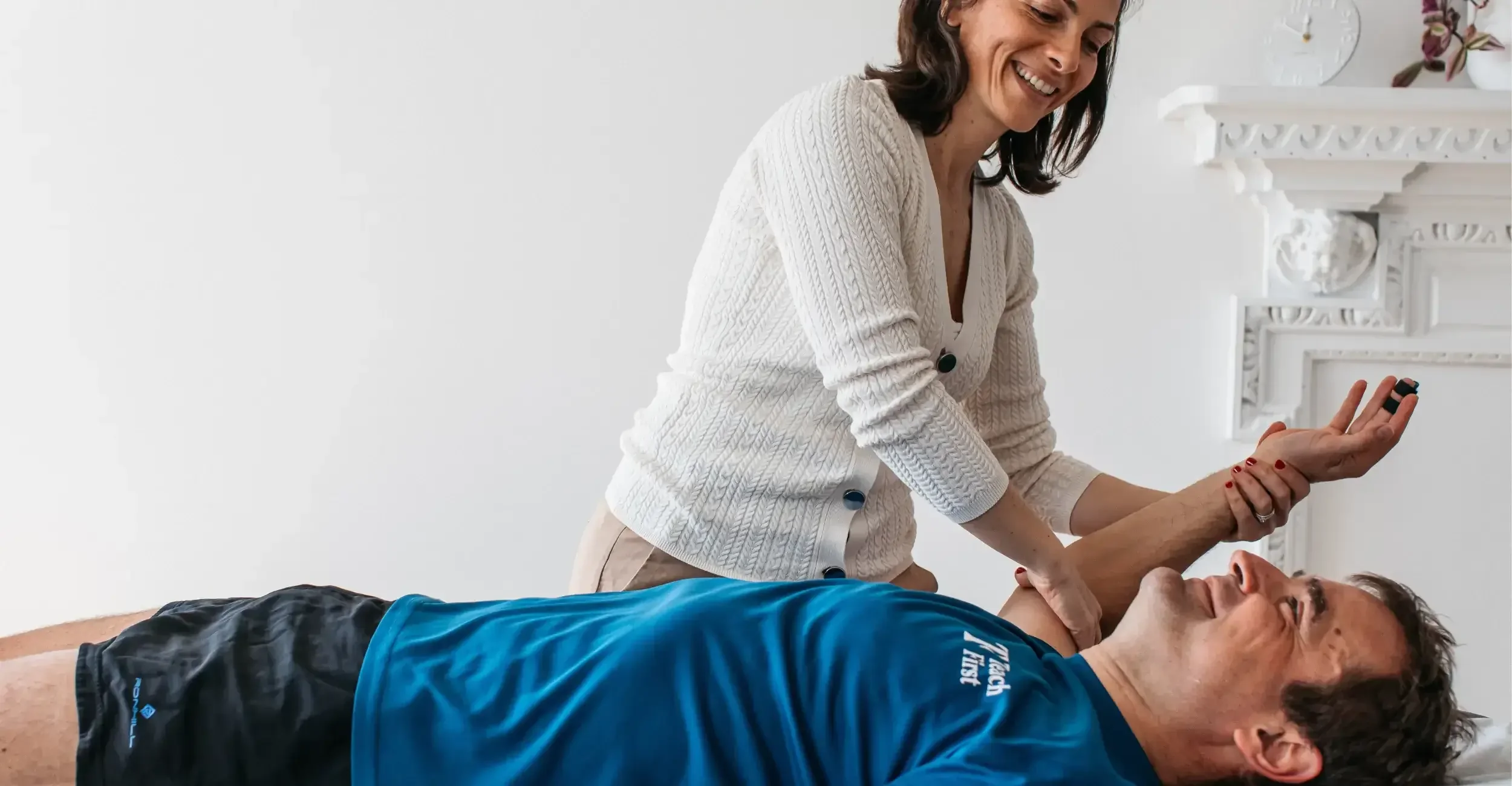
How We Assess and Treat Tendinopathy
At Wellthy Clinic, we begin with a comprehensive assessment to understand your symptoms, activity levels, movement patterns and tendon function. This helps us identify the underlying cause of your pain and create a treatment plan tailored to your needs.
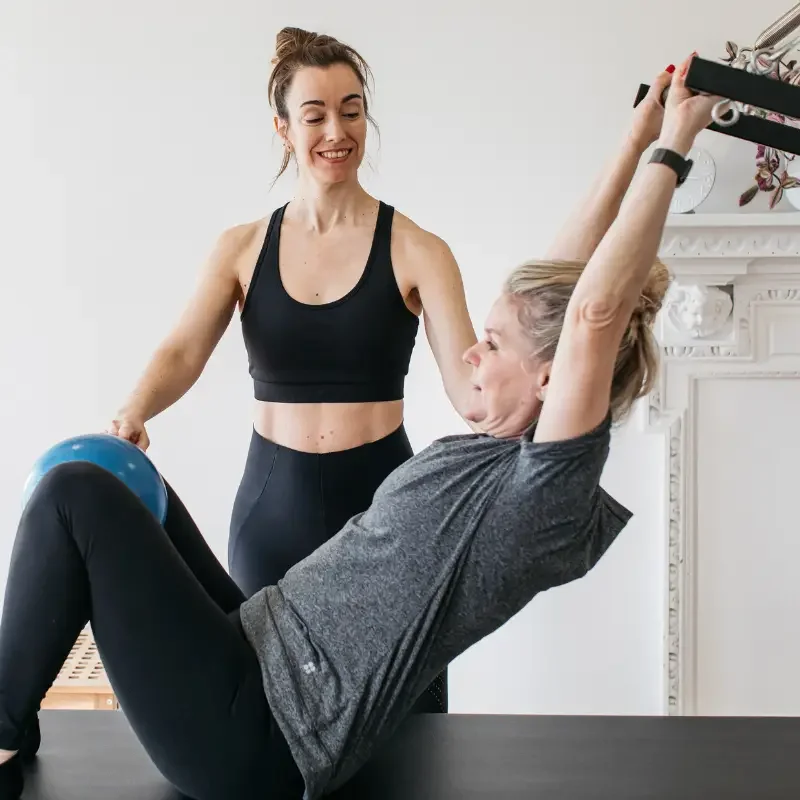
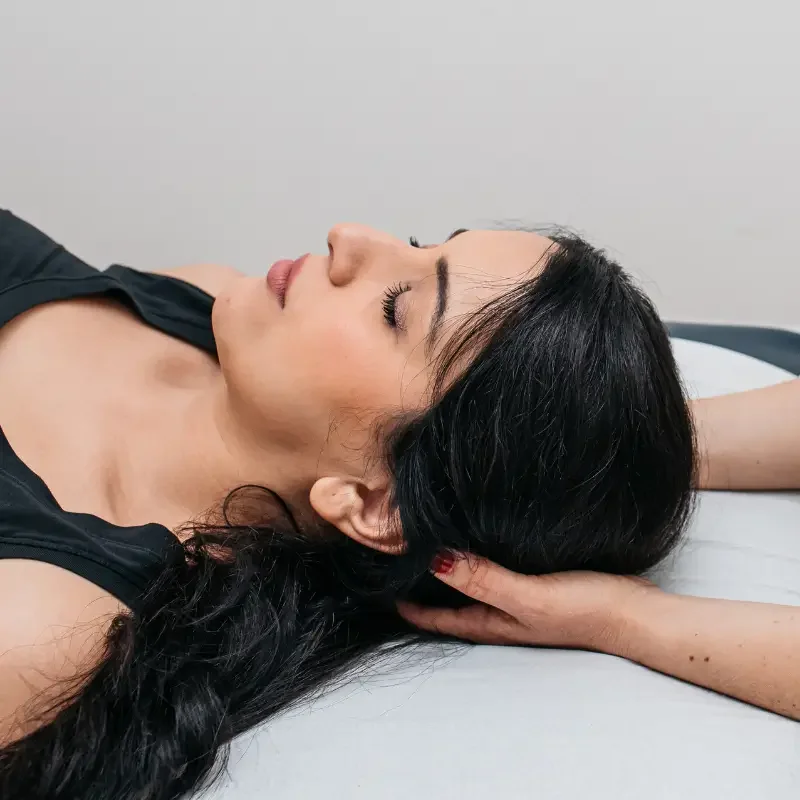
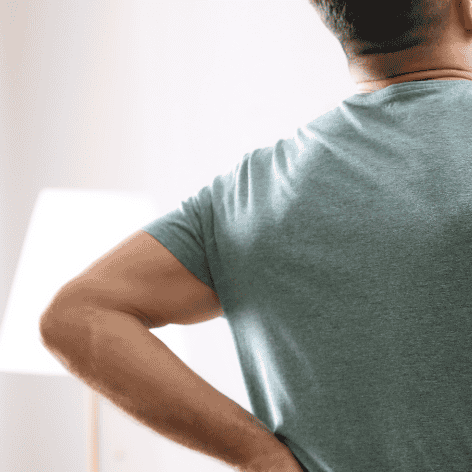
Treatment may include osteopathy, musculoskeletal care, rehabilitation exercises, movement advice and progressive loading programmes designed to improve tendon capacity, reduce pain and support recovery.
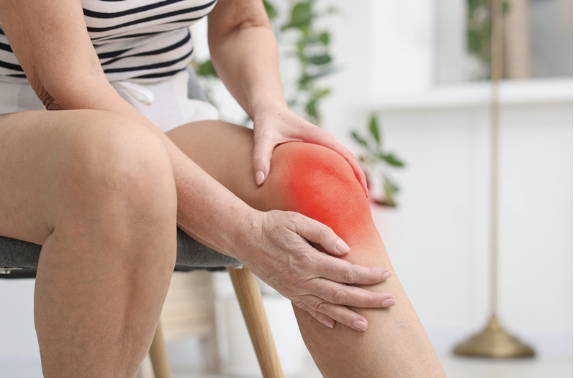
Treatment Options We May Recommend at Wellthy Clinic for Tendinopathy

Types of Tendinopathy & When to Seek Help
Several conditions can contribute to tendon pain:
→ Achilles Tendinopathy - Pain and stiffness develop in the Achilles tendon at the back of the ankle, often becoming worse with running, jumping or increased activity. Morning stiffness is also common.
→ Patellar Tendinopathy - Often known as "jumper's knee", patellar tendinopathy causes pain below the kneecap and is commonly aggravated by jumping, running, squatting or sporting activities.
→ Rotator Cuff Tendinopathy - A common cause of shoulder pain, rotator cuff tendinopathy can lead to discomfort when lifting the arm, reaching overhead or sleeping on the affected side.
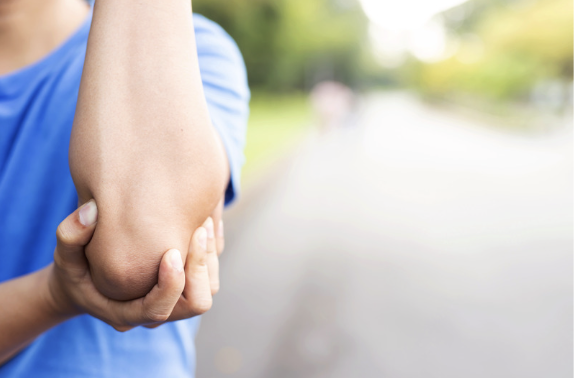
→ Elbow Tendinopathy - Elbow tendinopathy can affect either the inside or outside of the elbow, causing pain during gripping, lifting or repetitive wrist movements. Tennis elbow and golfer's elbow are common examples.
→ Wrist Tendinopathy - Tendons around the wrist can become irritated through repetitive movements, sports or overuse, leading to pain, weakness and difficulty gripping or lifting objects.
Common Questions About Tendinopathy
What causes tendinopathy?
Tendinopathy is commonly caused by repetitive strain, overuse, sudden increases in activity or a tendon being overloaded beyond what it can currently tolerate.
Can tendinopathy heal on its own?
Some mild cases may improve with activity modification, but persistent tendon pain often benefits from professional assessment and a structured rehabilitation programme.
Can osteopathy help tendinopathy?
Osteopathy may help improve movement, reduce strain on the affected tendon and support recovery alongside an appropriate rehabilitation programme.
How long does tendinopathy take to recover?
Recovery varies depending on the tendon involved and how long symptoms have been present. Some cases improve within weeks, while long-standing tendinopathy may take several months to fully recover.
Should I completely rest a painful tendon?
Complete rest is not always recommended. Tendons generally respond best to appropriate loading and progressive rehabilitation rather than prolonged inactivity.
When should I seek treatment?
If tendon pain has persisted for several weeks, is affecting daily activities or preventing you from exercising, it's worth seeking professional advice.
Our Osteopaths are qualified and registered with the General Osteopathic Council. We are fully insured and recognised with AVIVA, Healix, Vitality, Cigna, Simply Health, Healthshield & WPA health insurance companies.
Private Medical Insurance