5.0 ★★★★★ 90+ reviews on Google
5.0 ★★★★★ 100+ reviews on Google
Expert Assessment and Treatment for Neck Pain
Expert Assessment and Treatment for Lower Back Pain
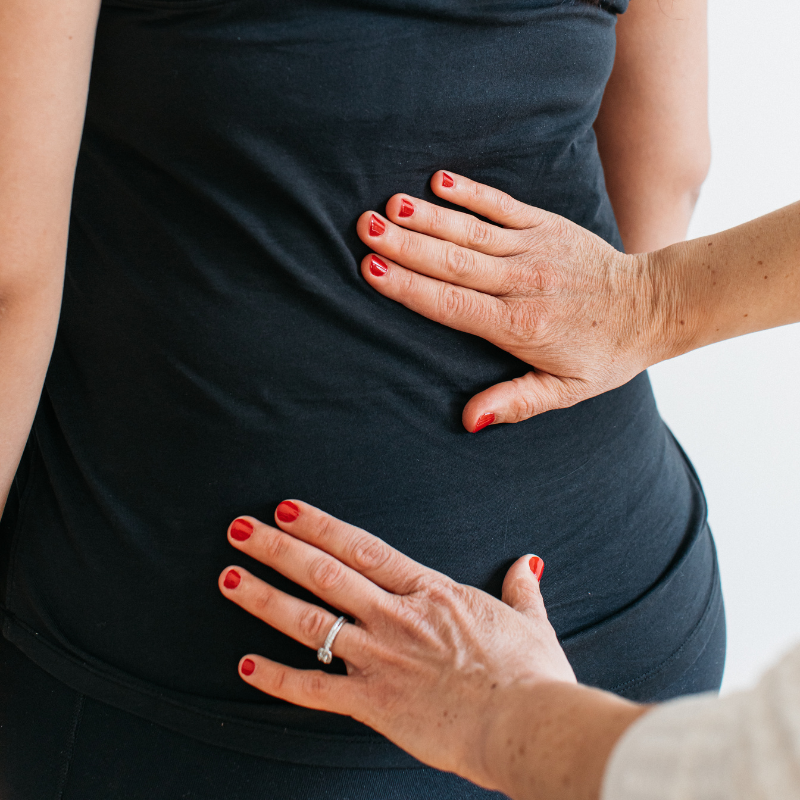
Lower Back Pain
Lower back pain is one of the most common musculoskeletal conditions, affecting people of all ages and activity levels.
It can develop suddenly after lifting or twisting, or build up gradually from prolonged sitting, repetitive movements or everyday strain. Whether your symptoms are mild or persistent, lower back pain can make work, exercise and daily activities uncomfortable.
At Wellthy Clinic, we provide personalised care to help reduce pain, improve movement and support long-term recovery.
Understanding Lower Back Pain and signs to watch for
Lower back pain can originate from the muscles, joints, ligaments, discs or nerves within the lumbar spine. While many episodes improve with the right treatment and advice, ongoing pain or recurring flare-ups may require a thorough assessment to identify the underlying cause.
Getting your back assessed early can help you return to normal activities with greater confidence.
Common symptoms and signs of Lower Back Pain:
Pain across the lower back
Stiffness, particularly after sitting or first thing in the morning
Pain when bending, lifting or twisting
Muscle tightness or spasms
Pain that travels into the buttock or leg
Reduced flexibility or movement
Difficulty standing or walking for long periods
Discomfort during work, sport or everyday activities
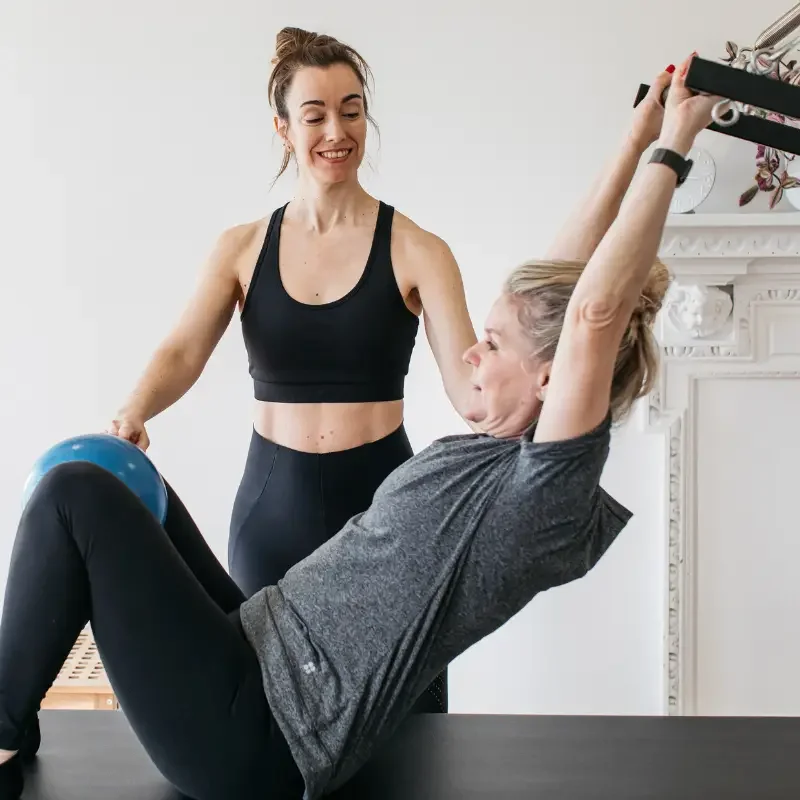
How we assess and treat Lower Back Pain
At Wellthy Clinic, we begin with a detailed assessment to understand your symptoms, movement and lifestyle. We assess how your spine, hips and surrounding muscles are functioning to identify the likely cause of your pain.
Treatment is tailored to your individual needs and may include osteopathy, musculoskeletal care, manual therapy and rehabilitation exercises to reduce pain, restore movement and help prevent future episodes.
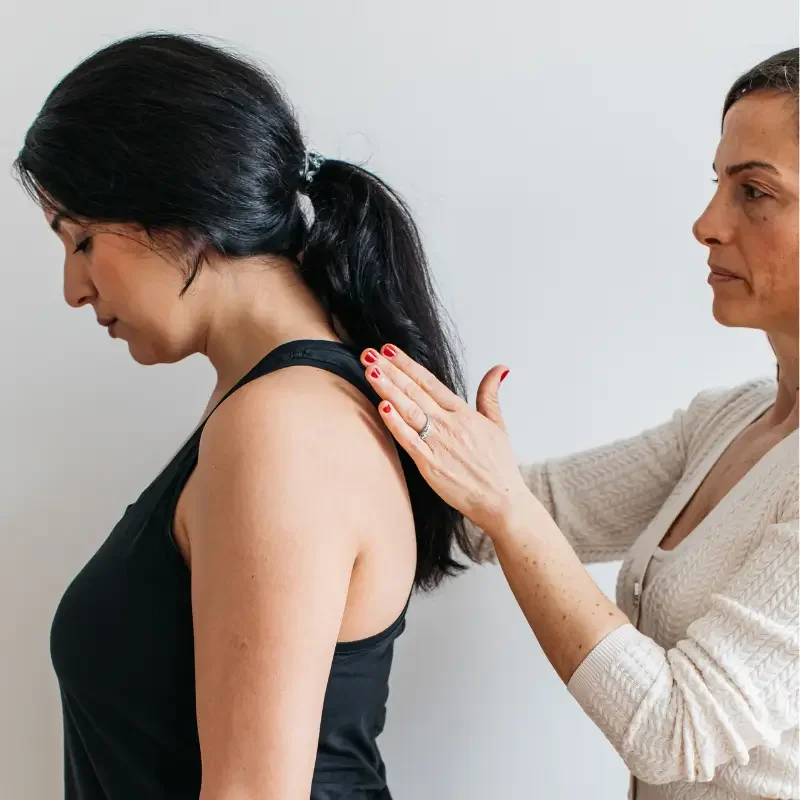
Treatment Options We May Recommend at Wellthy Clinic for Lower Back Pain

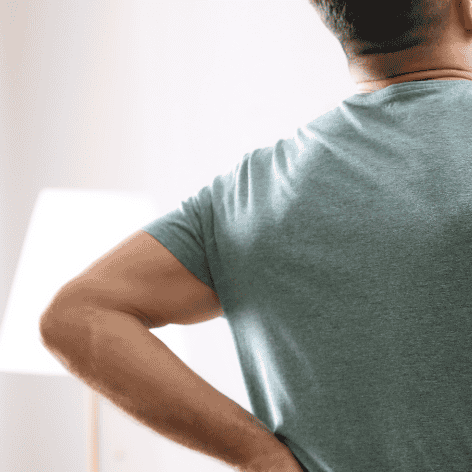
Types of Lower Back Pain & When to seek help
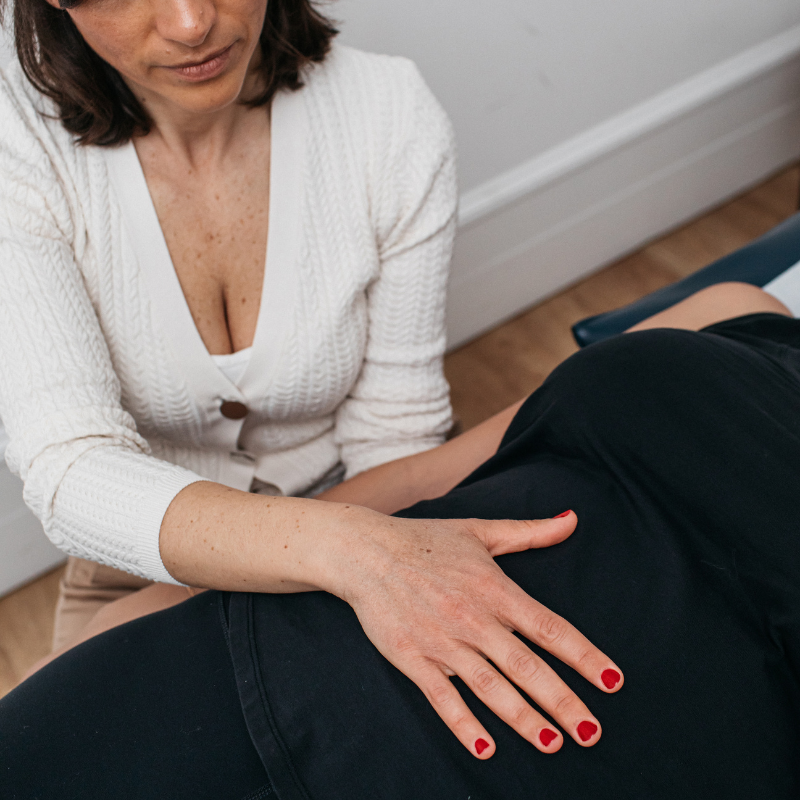
Several conditions can contribute to lower back pain, including:
→ Sciatica – Pain, tingling or numbness that travels from the lower back into the buttock and leg due to irritation of the sciatic nerve.
→ Disc Herniation – A spinal disc can protrude and irritate nearby nerves, causing back pain and sometimes leg symptoms.
→ Bulging Disc – A disc that bulges outward may place pressure on surrounding structures and contribute to pain or stiffness.
→ Facet Joint Pain – Irritation of the small joints in the spine can cause localised lower back pain, often worse with twisting or bending backwards.
→ SI Joint Dysfunction – The sacroiliac joint can become irritated and cause pain around the lower back, buttock or hip region.
→ Lumbar Strain – Overstretching or overloading the muscles and ligaments of the lower back can lead to pain, tightness and muscle spasm.
→ Degeneration – Age-related changes in the discs and joints of the lower spine can contribute to stiffness, reduced mobility and ongoing discomfort.
Common questions about Lower Back Pain
What causes lower back pain?
Lower back pain can develop from muscle strain, joint irritation, disc problems, poor posture, repetitive movements, lifting injuries or age-related changes. Often, several factors contribute to symptoms.
When should I seek treatment?
If your pain lasts longer than a few weeks, keeps returning, is affecting your daily life or is spreading into your leg, it's worth having it professionally assessed.
Can osteopathy help lower back pain?
Osteopathy may help reduce pain, improve mobility and restore normal movement by treating the joints, muscles and soft tissues contributing to your symptoms.
Will I need a scan?
Not always. Many cases of lower back pain can be diagnosed through a thorough clinical assessment. If further investigation is needed, we'll discuss the most appropriate next steps.
How long does lower back pain take to recover?
Recovery depends on the underlying cause and how long you've had symptoms. Many people improve within a few weeks with the right treatment, rehabilitation and self-management.
Can I exercise with lower back pain?
In most cases, gentle movement and appropriate exercises are encouraged, as staying active can support recovery. Your practitioner will advise you on the most suitable exercises for your condition.
Private Medical Insurance
Our Osteopaths are qualified and registered with the General Osteopathic Council. We are fully insured and recognised with AVIVA, Healix, Vitality, Cigna, Simply Health, Healthshield & WPA health insurance companies.