5.0 ★★★★★ 90+ reviews on Google
Musculoskeletal Health Clinic In Central London
Restoring comfort and moving with confidence
Move beyond just managing pain discover a deeper, whole body approach to musculoskeletal health that looks at how your muscles, joints, and internal systems truly work together.
5.0 ★★★★★ 100+ reviews on Google
Restoring comfort and moving with confidence
Musculoskeletal Health Clinic In Central London
Move beyond just managing pain discover a deeper, whole body approach to musculoskeletal health that looks at how your muscles, joints, and internal systems truly work together.
Musculoskeletal health focuses on the strength, function, and balance of your muscles, joints, and connective tissues. At Wellthy Clinic, we take a whole body approach; looking beyond symptoms to understand the root cause of pain, stiffness, or reduced movement, helping you restore comfort and move with confidence.
We provide a holistic approach to the assessment and treatment of muscles, joints, and movement patterns
We welcome anyone experiencing pain, stiffness, injury, or wanting to optimise movement and performance
With treatment we can provide improved mobility, reduced pain, and long-term resilience in how your body moves
An Overview of MSK Health
How MSK Treatment Works
At Wellthy Clinic, our MSK care is built around understanding you as a whole, not just the area that feels painful.
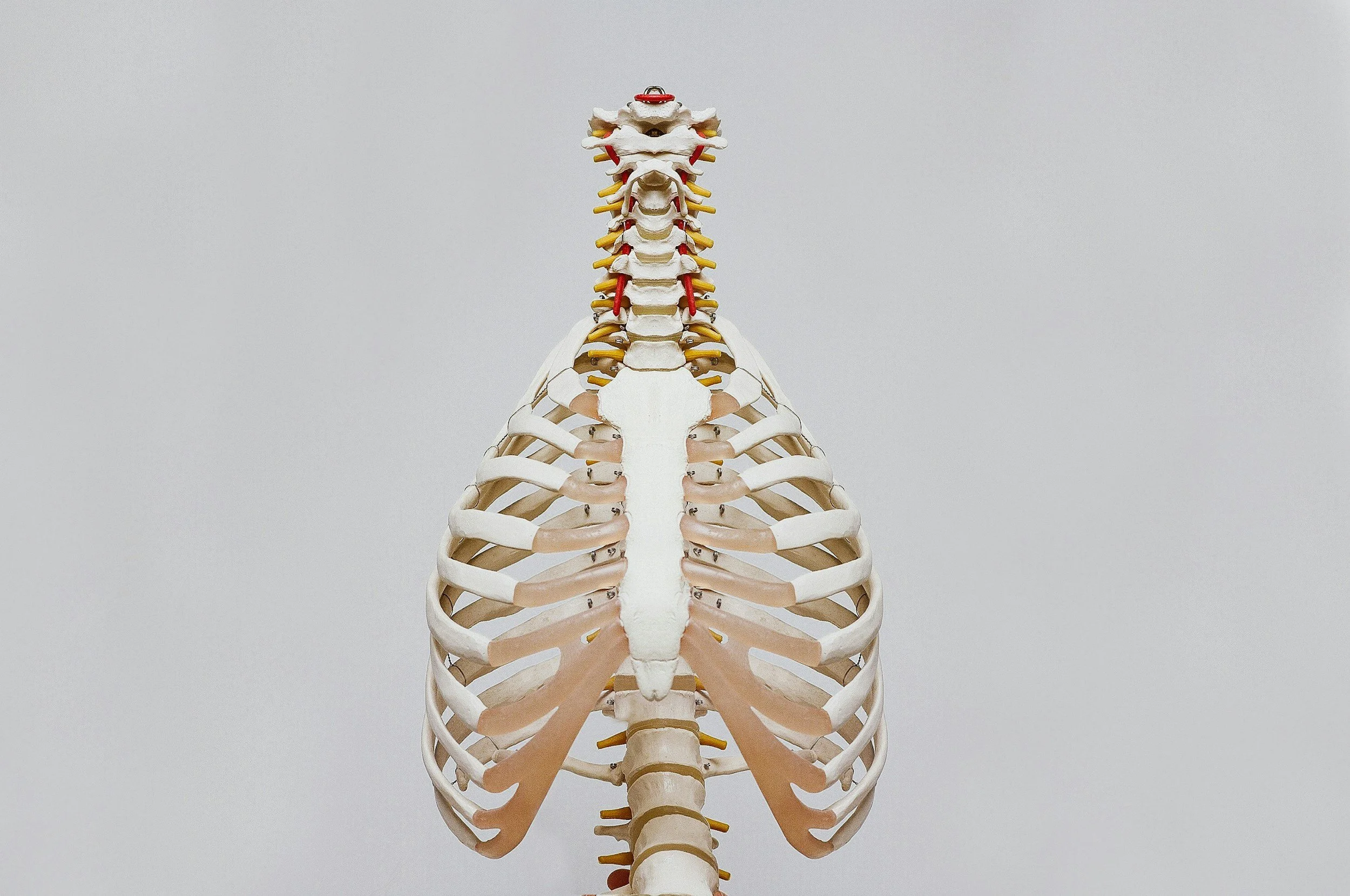
Our musculoskeletal system is a vital foundation of health, a complex network of muscles, bones, and connective tissues that provide structure, stability, and movement. It also plays a wider role in the body, acting like an endocrine system when stimulated by exercise, influencing and interacting with other organs and systems.
Every session begins with a detailed conversation and assessment, exploring how your body moves, where tension is held, and how different systems may be contributing to your symptoms. This whole body perspective allows us to look beyond isolated injuries and recognise that the root cause of discomfort may sit elsewhere in the body.
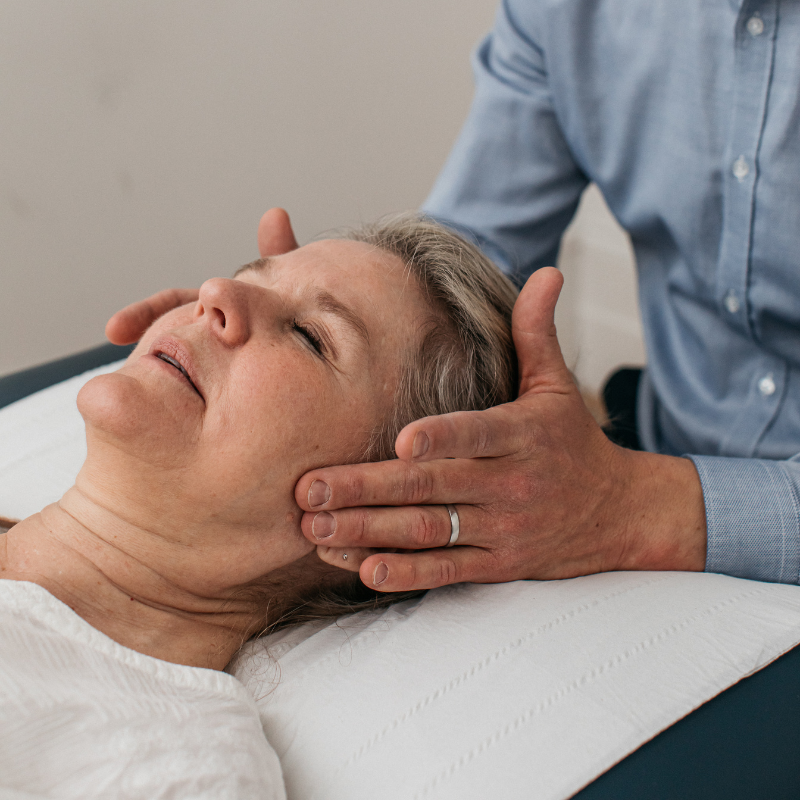
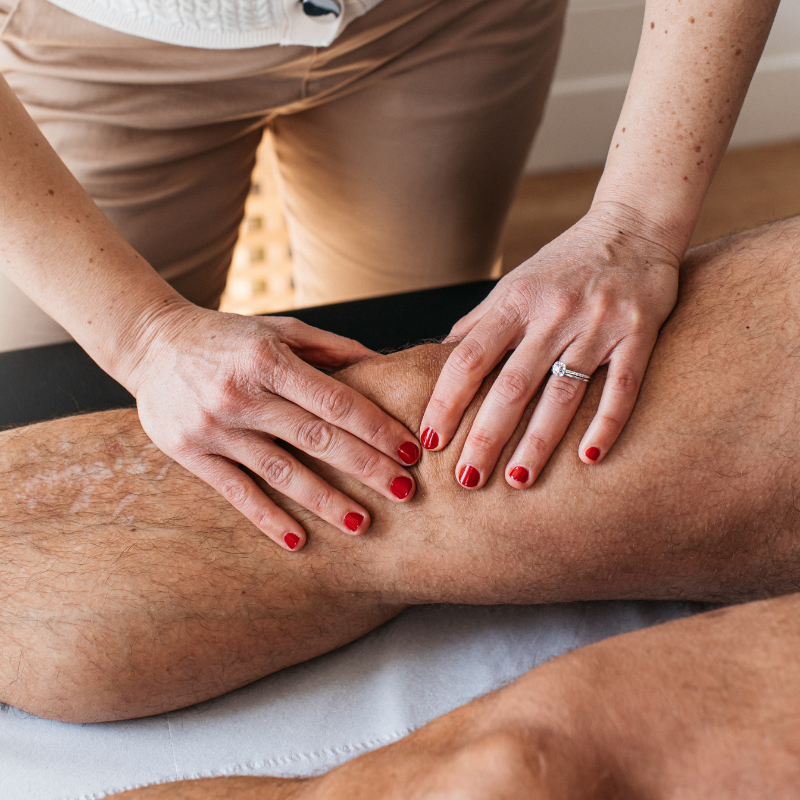
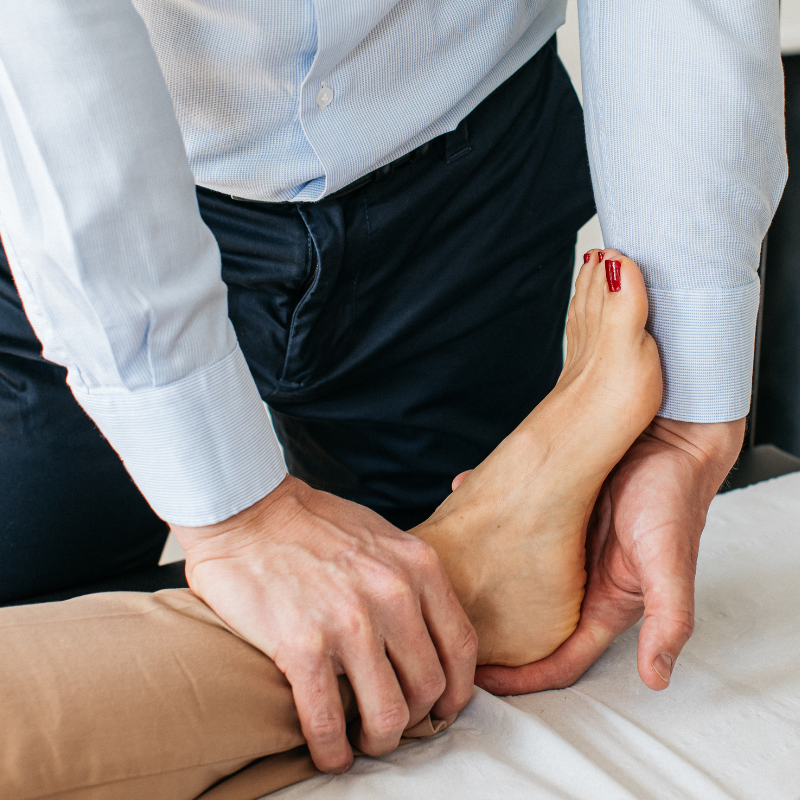
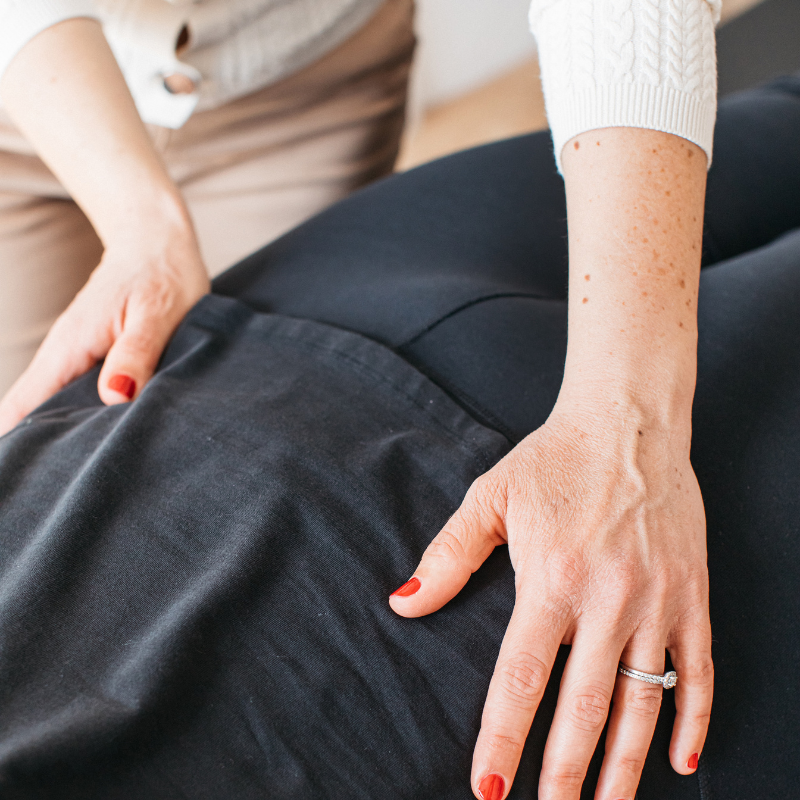
Treatment is gentle, hands-on, and tailored to you. We combine targeted manual therapy with movement guidance and practical advice, supporting your body to release tension, improve mobility, and restore balance naturally over time.
Our approach is guided by a few key principles: the body is interconnected, it has an inherent ability to heal, and lasting results come from addressing root causes rather than symptoms alone. By working with your body, not against it, we help you move more freely, feel more at ease, and build long term resilience.
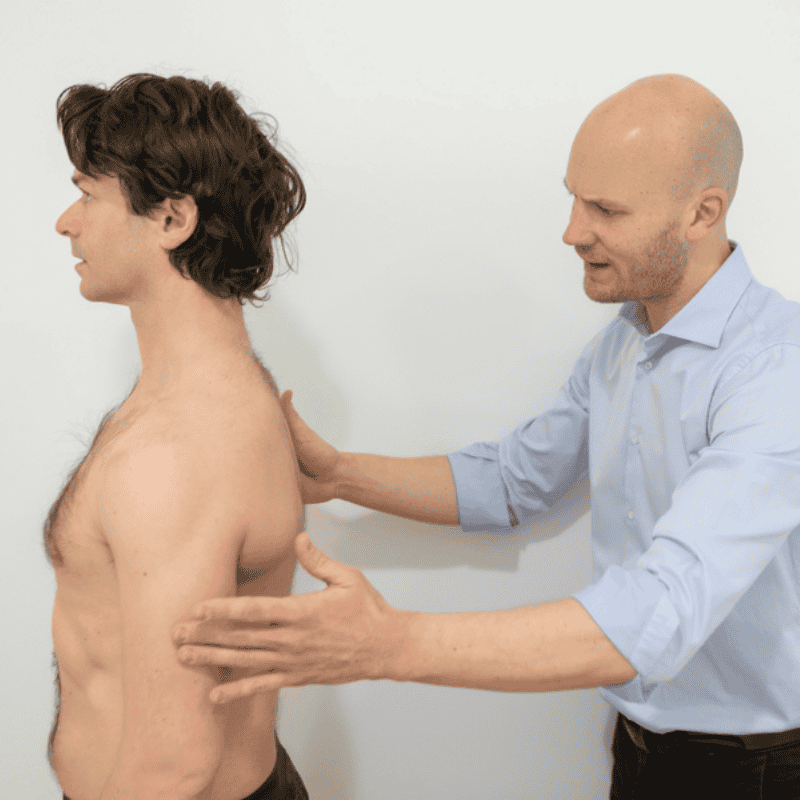
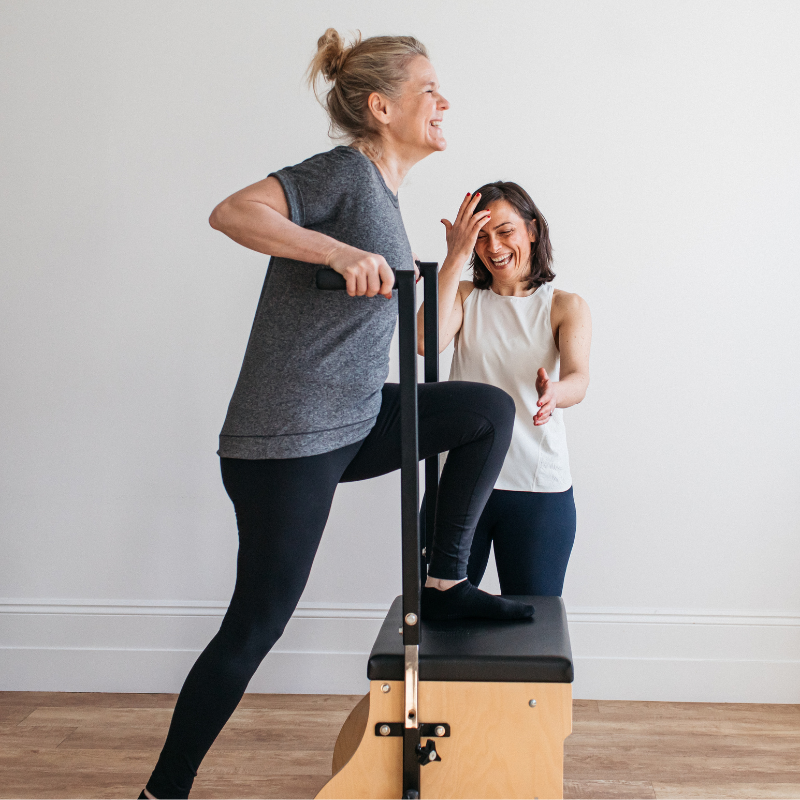
Treatment is tailored to your body, your symptoms, and your goals. Sessions may include gentle hands-on techniques to release tension, improve joint mobility, and restore natural movement patterns. We also guide you through simple, targeted exercises to build strength, stability, and control where your body needs it most. Postural and movement habits are explored, helping you understand how daily activities may be contributing to discomfort. Where needed, we integrate breathing techniques and lifestyle advice to support recovery. The focus is always on working with your body, helping it adapt, rebalance, and function more efficiently over time for lasting results.
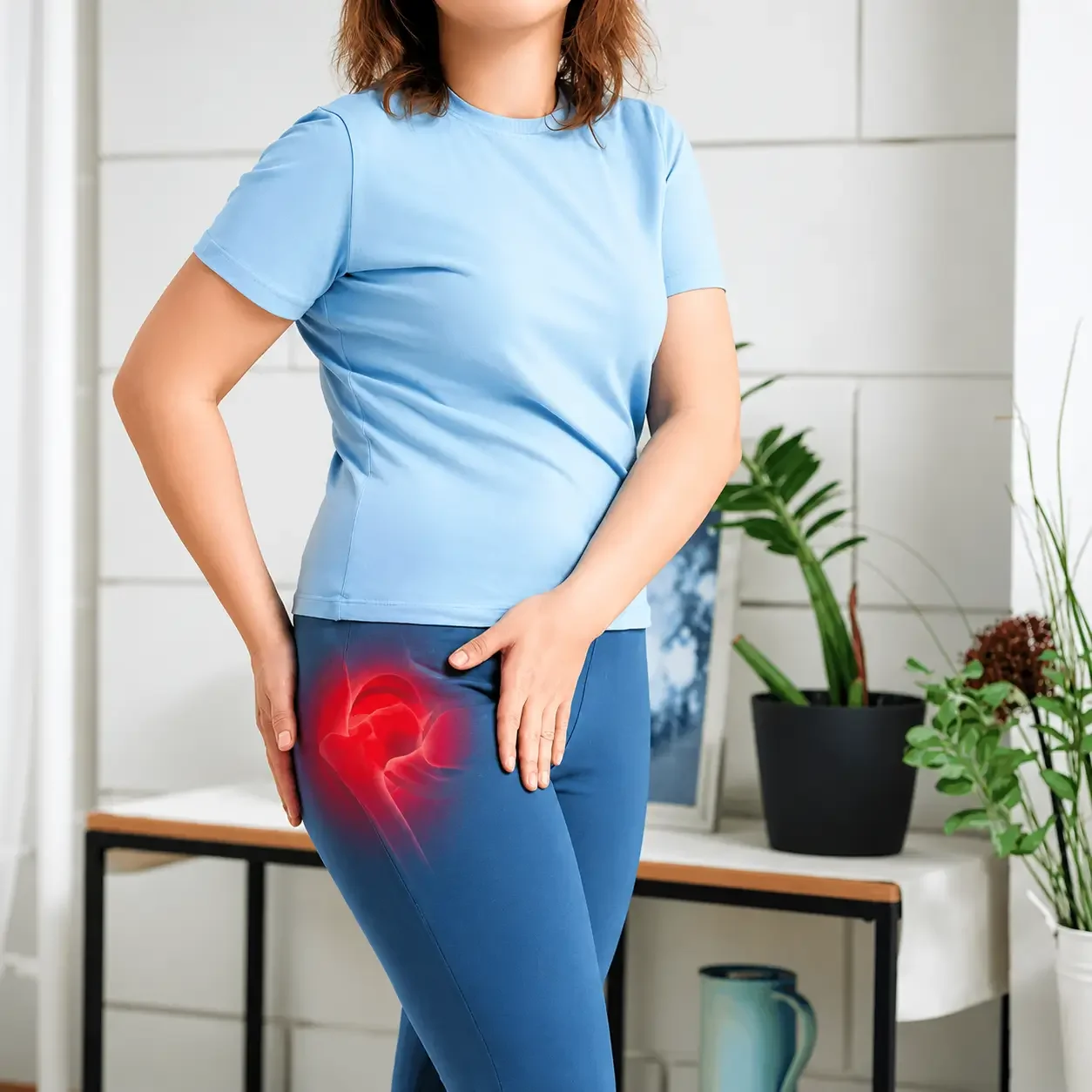
Conditions we can help with at Wellthy Clinic:




Our MSK Osteopaths

Our Osteopathy Prices
At Wellthy Clinic, we know that every wellness journey is different. This is why we believe that treatment should be tailored and suited to you and your needs. We also understand that you may not know how many sessions you may need to ease your symptoms or condition, we are here to help you.
Book a FREE discovery call to discuss your options with us.
Initial Consultation 60min
£140.00*
When you visit us at Wellthy Clinic, we will listen and talk through your presenting issues, goals, current health and history. We will look at how you stand and at your posture before asking you to perform some active movements. We will then assess your joints range of motion and also through the cranial osteopathy principles. We will give you a diagnosis and a rough estimation of how long it will take for you to feel better. We will discuss your treatment options and find the most suitable course of action. This session will last 60 mins.
Follow Up 45min
£110.00*
A follow up consultation involves the monitoring of your progress and the revision of any treatment plan outlined. A physical examination will be performed on each session. Usually the follow up sessions are weekly and the number of consultations required depends on your presenting symptoms.
Follow Up 60min
£140.00*
A follow up consultation involves the monitoring of your progress and the revision of any treatment plan outlined. A physical examination will be performed on each session. Usually the follow up sessions are weekly or fortnightly and the number of consultations required depends on your presenting symptoms.
60 minute sessions are for adult patients who require a longer session.
*Save 10% when you purchase a package of 8 Cranial Osteopathy sessions.
8 x 60min sessions £1,008
8 x 45min sessions £792
Common questions about MSK health and treatments
What is musculoskeletal treatment?
It’s a hands on, whole body approach to treating pain, stiffness, and movement issues. We look at how your muscles, joints, and body systems work together to find and address the root cause of your symptoms.
What conditions can this help with?
It can support a wide range of issues including back pain, neck pain, joint stiffness, sports injuries, postural problems, and ongoing or recurring discomfort.
What happens during a session?
We start with a conversation and assessment, then use gentle hands on techniques, movement guidance, and simple exercises tailored to your needs.
Is the treatment painful?
No, our treatment is designed to be gentle and comfortable. Most people find it relaxing, and many feel a sense of ease and release during the session.
How many sessions will I need?
This depends on your symptoms and goals. Some people feel improvement quickly, while others benefit from a short course of treatment to create lasting change.
Do I need to do anything between sessions?
You may be given simple exercises or advice to support your progress. These are designed to fit easily into your routine and help maintain the benefits of treatment.
Our Osteopaths are qualified and registered with the General Osteopathic Council. We are fully insured and recognised with Healix, Vitality, Cigna, Simply Health, Healthshield & WPA health insurance companies.
Private Medical Insurance