5.0 ★★★★★ 100+ reviews on Google
5.0 ★★★★★ 90+ reviews on Google
Expert Assessment and Treatment for Elbow Pain
Expert Assessment and Treatment for Hip Pain
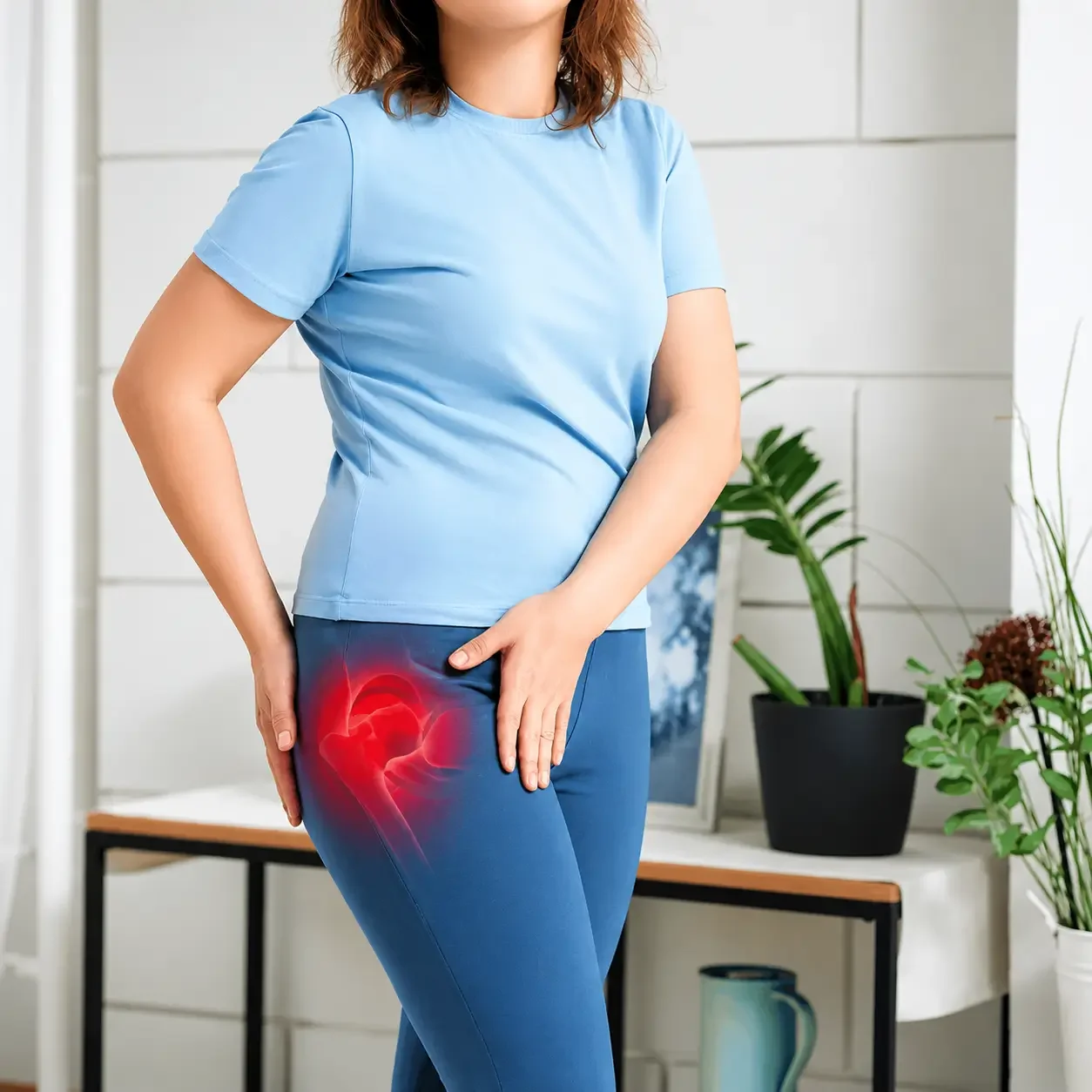
Hip Pain
Hip pain can affect people of all ages and may develop gradually or following an injury. It can make everyday activities such as walking, climbing stairs, exercising or even sleeping uncomfortable.
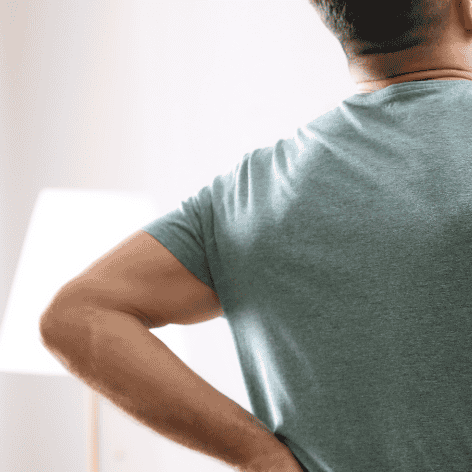
Pain may be felt in the hip, groin, buttock or outer thigh, depending on the underlying cause.
At Wellthy Clinic, we provide personalised care to help reduce pain, improve movement and support your long-term recovery.
Understanding Hip Pain and signs to watch for
The hip is a strong ball-and-socket joint that relies on healthy muscles, tendons and ligaments to move efficiently. Pain can arise from the joint itself or the surrounding soft tissues, and may sometimes be referred from the lower back or pelvis.
A thorough assessment helps us identify the source of your symptoms and create a treatment plan tailored to your needs.
Common symptoms and signs of Hip Pain:
Pain in the hip, groin or buttock
Pain on the outside of the hip
Stiffness, particularly in the morning or after rest
Pain when walking, climbing stairs or exercising
Reduced range of movement
Difficulty standing on one leg
Pain when lying on the affected side
Weakness around the hip
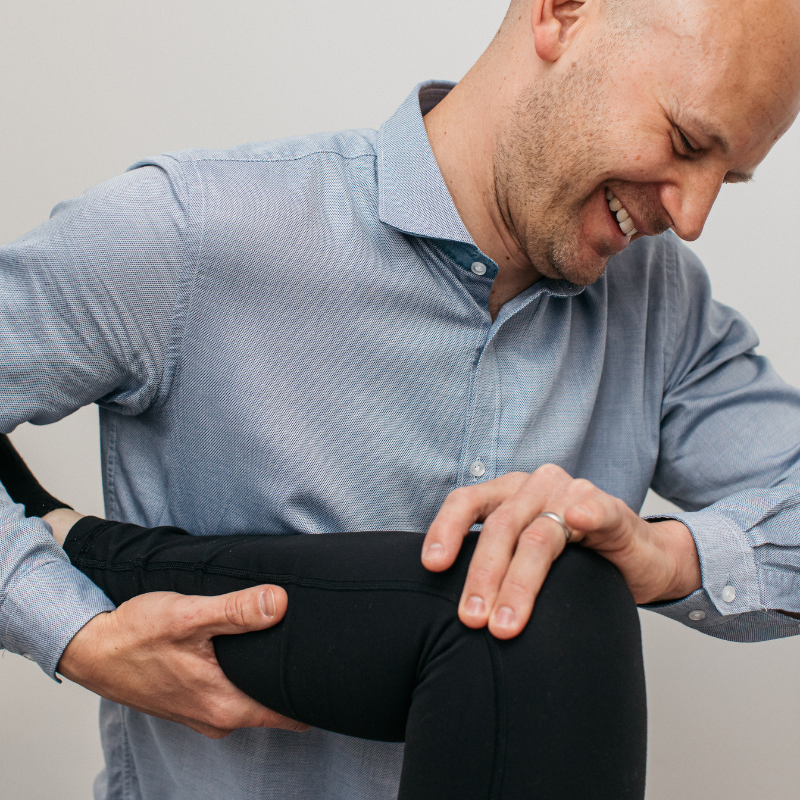
How we assess and treat Hip Pain
At Wellthy Clinic, we begin with a detailed assessment of your symptoms, movement and lifestyle. We examine how your hip, pelvis and lower back are functioning to identify the underlying cause of your pain.
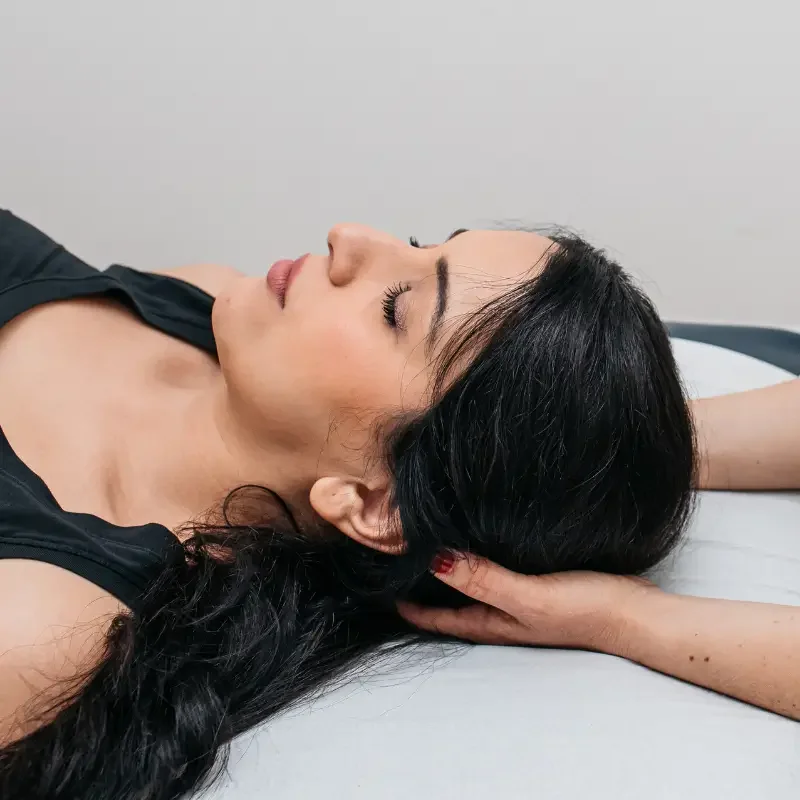
Treatment is tailored to your individual needs and may include osteopathy, musculoskeletal care, manual therapy and rehabilitation exercises to relieve pain, restore mobility and reduce the risk of future problems.
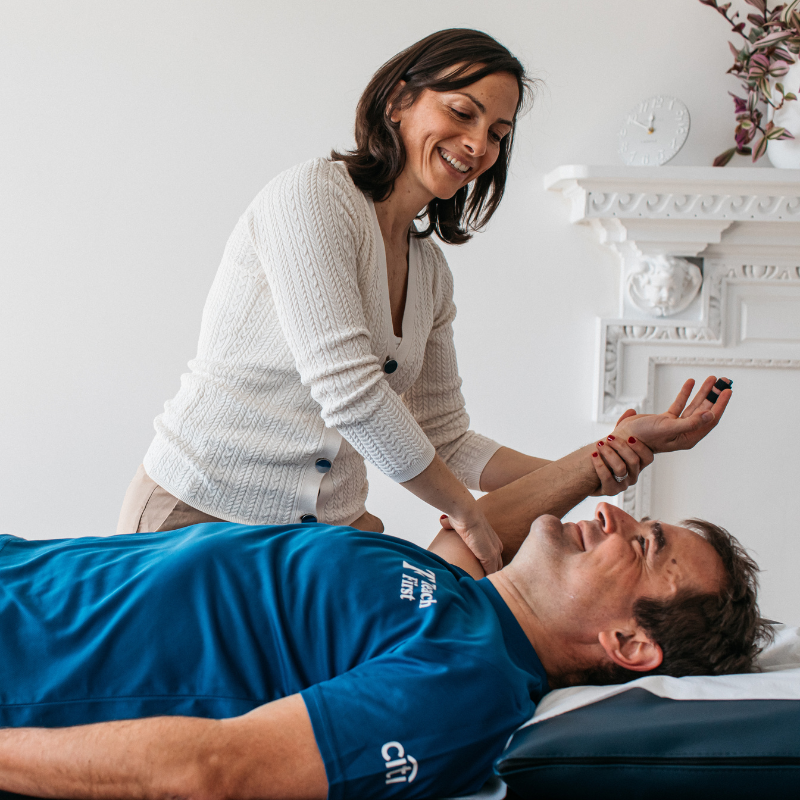
Treatment Options We May Recommend at Wellthy Clinic for Hip Pain


Types of Hip Pain & when to seek help

Several conditions can contribute to hip pain:
→ Gluteal Tendinopathy – Irritation or degeneration of the gluteal tendons, often causing pain on the outside of the hip that worsens with walking, climbing stairs or lying on the affected side.
→ Hip Osteoarthritis (Hip OA) – Age-related changes within the hip joint can lead to pain, stiffness and reduced mobility.
→ Piriformis Syndrome – Irritation or tightness of the piriformis muscle can affect the sciatic nerve, causing pain in the buttock and sometimes symptoms travelling down the leg.
→ SI Joint Dysfunction – Irritation or reduced movement of the sacroiliac joint can contribute to pain around the lower back, buttock and hip.
→ Hip Labral Tear – Damage to the cartilage ring (labrum) surrounding the hip joint can cause hip pain, clicking sensations, stiffness and discomfort with certain movements.
→ Femoroacetabular Impingement (FAI) – A condition where the bones of the hip joint make contact abnormally, which can lead to pain, reduced mobility and irritation within the joint.
→ Iliopsoas Tendinitis/Bursitis – Irritation of the iliopsoas tendon or surrounding bursa can cause pain at the front of the hip, often aggravated by lifting the leg, walking or prolonged sitting.
Common questions about Hip Pain
What causes hip pain?
Hip pain can be caused by tendon injuries, arthritis, muscle strains, joint irritation or problems affecting the pelvis and lower back. A detailed assessment helps identify the source of your symptoms.
When should I seek treatment?
If your pain lasts more than a few weeks, keeps returning or is affecting your daily activities, work or exercise, it's worth having it professionally assessed.
Can osteopathy help hip pain?
Osteopathy may help improve hip mobility, reduce pain and address muscle and joint dysfunction contributing to your symptoms.
Will I need a scan?
Not usually. Many causes of hip pain can be diagnosed through a detailed clinical assessment. If imaging is required, we'll discuss the most appropriate next steps.
How long does hip pain take to recover?
Recovery depends on the underlying condition and how long you've had symptoms. Many people improve with the right combination of hands-on treatment, rehabilitation and self-management.
Can I exercise with hip pain?
In many cases, gentle exercise and targeted strengthening are beneficial. Your practitioner will recommend a programme that's appropriate for your symptoms and recovery.
Our Osteopaths are qualified and registered with the General Osteopathic Council. We are fully insured and recognised with AVIVA, Healix, Vitality, Cigna, Simply Health, Healthshield & WPA health insurance companies.
Private Medical Insurance