
Why Treating Only Where It Hurts Often Isn’t Enough: Understanding Structural and Cranial Osteopathic Approaches to Pain
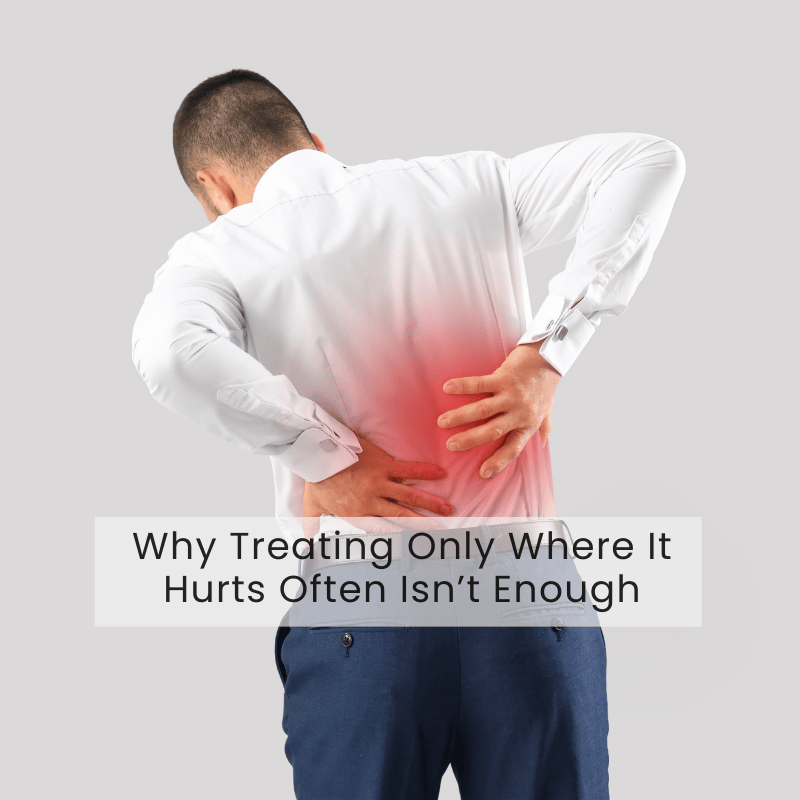
Pain is often where the body is struggling the most, but it isn’t always where the problem began.
Pain is rarely as simple as it seems. While symptoms are often felt in one specific area of the body, the underlying reasons for pain are frequently shaped by how the whole body has adapted over time, through posture, movement patterns, stress, injury, and even lifestyle factors.
In osteopathic practice, this is why treating only the site of pain doesn’t always lead to lasting change. The body is highly adaptable and will compensate in subtle ways to keep us functioning, sometimes for years, before pain finally appears.
This is where the distinction between structural and cranial osteopathic approaches becomes important. Rather than being opposing techniques, they offer different but complementary ways of understanding pain, one focusing on movement and mechanics, the other on regulation and the nervous system.
In this article, we explore why a whole-body, integrated osteopathic approach can be more effective than chasing symptoms, and how combining structural and cranial osteopathy helps address pain at its root rather than just where it shows up.
Understanding Structural and Cranial Osteopathic Approaches
Osteopathy is often described as a hands-on, whole-body approach to healthcare. Yet many people are surprised to discover that there are different styles of osteopathic treatment. Two of the most commonly discussed are structural osteopathy and cranial osteopathy.
If you’ve ever wondered “What’s the difference?” or “Which one is right for me?”, you’re not alone. These questions come up frequently in our clinic, and the answer is often more nuanced than people expect.
Understanding how they differ and how they work together can help you feel more informed and confident when choosing treatment.
What is structural osteopathy?
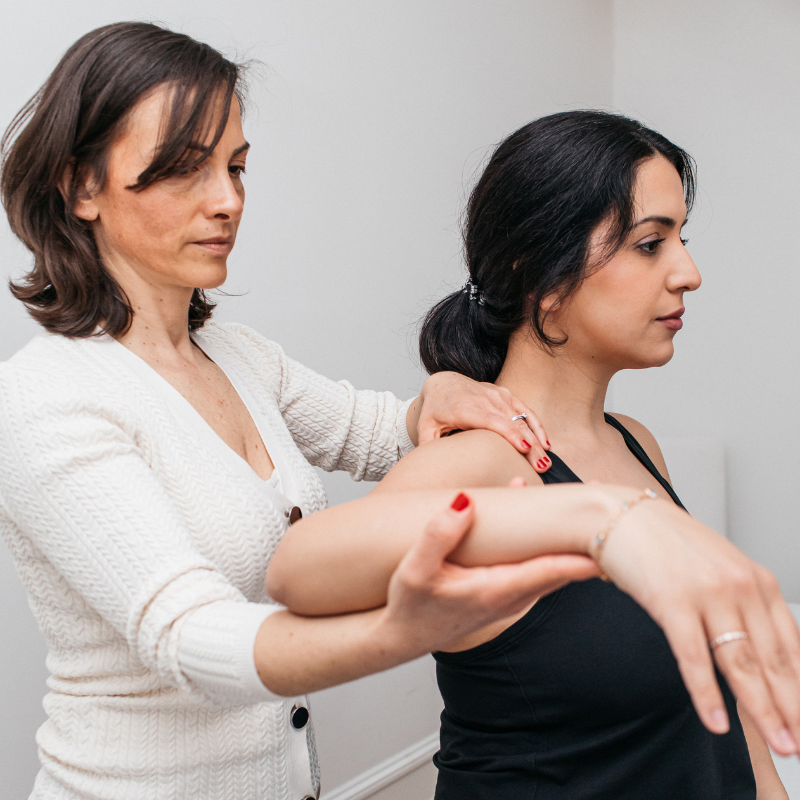
Structural osteopathy is what many people picture when they think of osteopathic treatment. It focuses on the musculoskeletal system, muscles, joints, ligaments, fascia, and the way the body moves and adapts to load.
How structural osteopathy works
Structural osteopaths assess:
Joint mobility and alignment
Muscle tone and strength
Postural and movement patterns
Areas of compensation or overload
Treatment may include:
Joint mobilisations or gentle manipulations
Soft tissue and myofascial techniques
Stretching and movement-based input
The aim is to restore efficient movement and mechanical balance, reduce pain, and improve overall physical function.
When is structural osteopathy most helpful?
Structural osteopathy is commonly used for:
Back and neck pain
Shoulder, hip, knee and joint issues
Sports and overuse injuries
Postural strain (such as desk-related pain)
Acute or sub-acute musculoskeletal problems
An important note on treatment style
Every osteopath practises slightly differently, shaped by their training, experience, and clinical philosophy. Some structural approaches focus more narrowly on the symptomatic area and may involve stronger or more forceful techniques.
Our approach is intentionally holistic and integrative. Even in a structural session, we always work with the whole body, rather than isolating treatment to the area where pain is felt.
This is because the body compensates over time. Through patterns of fascial tightening, muscle guarding, and joint restriction, strain is often redistributed elsewhere in the body, sometimes far from its original source.
For this reason, treatment may sometimes feel very gentle or appear less focused on a single area. In reality, the work is precise, logical, and deeply intentional, guided by how the body has organised itself over the years rather than by symptoms alone.
Our structural work is informed by the Body Adjustment approach developed by John Wernham, which emphasises global alignment, minimal force, and supporting the body’s inherent capacity to self-regulate rather than repeatedly correcting individual joints.
What is cranial osteopathy?
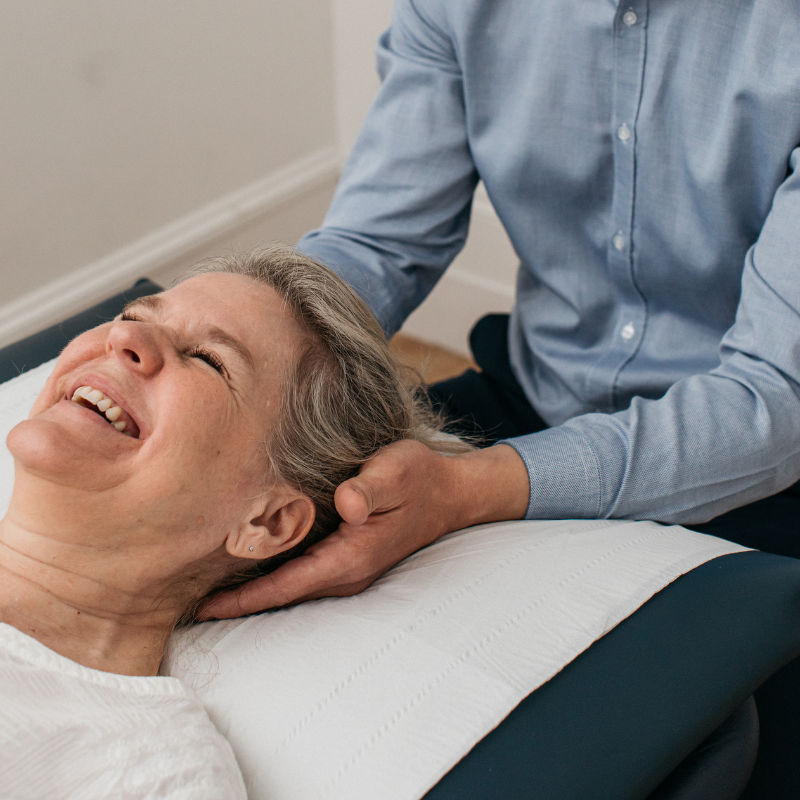
Cranial osteopathy is a subtle and refined approach that works with the body’s deeper regulatory systems, particularly the nervous system, fluid dynamics, and connective tissue. Despite common misconceptions, cranial osteopathy is not just about the skull. It is a way of working with the entire body through gentle, precise touch.
How cranial osteopathy works
Cranial osteopathy focuses on:
The relationship between the brain, spinal cord, and nervous system
Fluid movement within and around tissues
Tension patterns held within fascia
The body’s ability to regulate, adapt, and heal
Treatment is extremely gentle and often deeply calming. Rather than forcing change, the osteopath supports the body in releasing long-held patterns of strain and stress.
When cranial osteopathy is most helpful
Cranial osteopathy is often used to support people experiencing:
Persistent or complex pain
Stress-related symptoms
Headaches and migraines
Jaw (TMJ) tension and dysfunction
Sleep disturbances and fatigue
Digestive or hormonal-related symptoms
Anxiety and nervous system dysregulation
Babies and children, where a very gentle approach is needed
Do You Have to Choose One?
In short: no.
In modern osteopathic practice, the question isn’t cranial or structural; it’s what does your body need right now? A skilled osteopath may move fluidly between approaches, sometimes within the same session, using:
Structural techniques to restore movement
Cranial techniques to support nervous system regulation
Gentle integration between the two
Why Integration Matters (Especially for Chronic Pain)
In long-standing pain, inflammation, hormonal change, or stress-related conditions, symptoms rarely exist in isolation. Pain is often the body’s last signal, not the original problem and may be influenced by:
Nervous system sensitivity
Hormonal shifts
Gut–brain communication
Past injuries or emotional stress
Sleep quality and recovery capacity
Structural treatment alone may not be enough. Cranial treatment alone may not address mechanical load. Integration allows changes to be more sustainable and meaningful.
Final Thoughts
Cranial and structural osteopathy are not competing techniques. They are different lenses through which we understand and support the body. When used thoughtfully and together, they allow osteopathy to do what it does best: Help the body move better, regulate better and optimise healing processes more efficiently.
Clinic Director, Structural & Cranial Osteopath and Nutritional therapist who is passionate about providing the best possible integrated care for patients.