
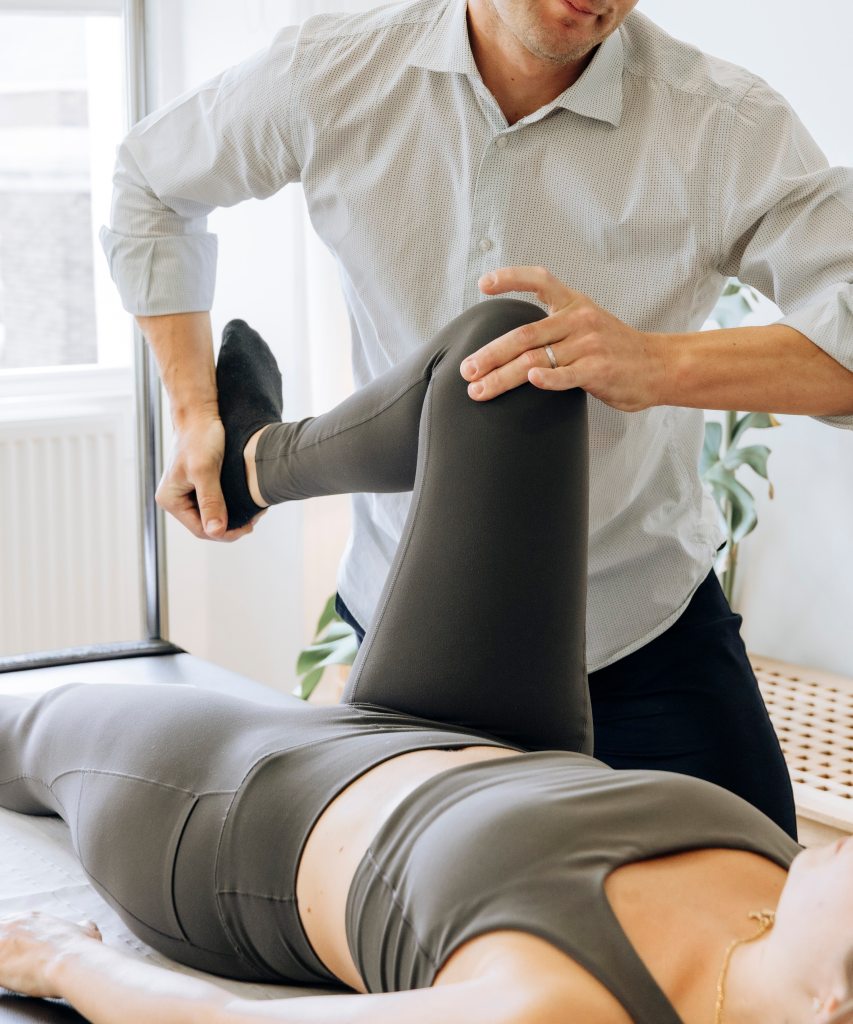
Understanding Knee Pain and Signs to Watch For
The knee is a complex joint made up of bones, cartilage, ligaments, tendons and muscles that work together to provide stability and movement. Pain can arise from any of these structures, making an accurate assessment important for effective treatment.
Our practitioners will identify the likely cause of your symptoms and develop a treatment plan tailored to your individual needs.
Common symptoms and signs of knee include:
- Pain around or behind the kneecap
- Swelling or stiffness
- Pain when walking, running or climbing stairs
- Tenderness around the knee
- Reduced range of movement
- Clicking or catching sensations
- Knee instability or giving way
- Difficulty with exercise or daily activities

How We Assess and Treat Knee Pain
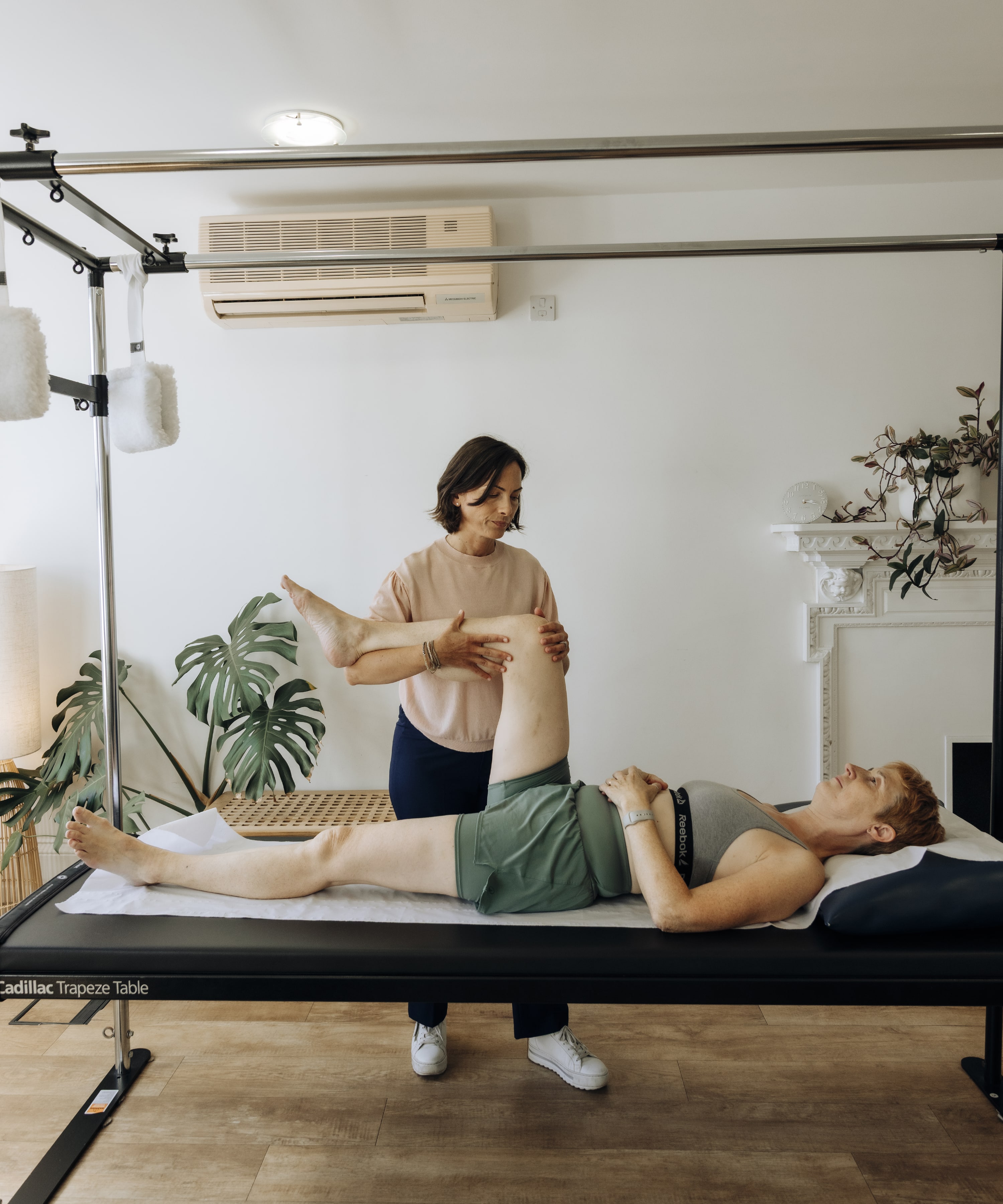
At Wellthy Clinic, we carry out a detailed assessment of your symptoms, movement and lifestyle. We assess how your knee, hips and ankles are functioning to identify the underlying cause of your pain.
Treatment is tailored to your needs and may include osteopathy, musculoskeletal care, manual therapy and rehabilitation exercises to relieve pain, improve strength and restore confidence in movement.
Knee Pain Treatment Options at Wellthy Clinic




Types of Knee Pain & When to Seek Help
Several conditions can contribute to knee pain:
Patellofemoral Pain
Pain around or behind the kneecap, often made worse by stairs, squatting, running or prolonged sitting.
Patellar Tendinopathy
Irritation of the patellar tendon, commonly causing pain just below the kneecap during jumping, running or sporting activities.
ITB Syndrome
Iliotibial band syndrome causes pain on the outside of the knee due to irritation of the band of tissue running along the outside of the thigh.
Knee Osteoarthritis (Knee OA)
Age-related changes within the knee joint can lead to pain, stiffness and reduced mobility.
Knee Swelling
Swelling may develop following injury, overuse or joint irritation and can reduce movement and cause discomfort.
ACL Injuries
Injury to the anterior cruciate ligament can cause pain, swelling and instability, often following a sudden twisting movement or sporting injury.
FAQs
What causes knee pain?
Knee pain can result from tendon injuries, ligament damage, cartilage problems, arthritis, overuse or muscle imbalances. A detailed assessment helps identify the underlying cause.
When should I seek treatment?
If your knee pain persists, keeps returning, is affecting your daily activities or you feel your knee is unstable, it’s worth seeking a professional assessment.
Can osteopathy help knee pain?
Osteopathy may help reduce pain, improve joint mobility and address muscle and movement patterns contributing to your symptoms.
Will I need a scan?
Not always. Many knee conditions can be diagnosed through a detailed clinical assessment. If imaging is needed, we’ll discuss the most appropriate next steps.
How long does knee pain take to recover?
Recovery varies depending on the condition and severity of your symptoms. Many people improve with appropriate treatment, rehabilitation and activity modification.
Can I exercise with knee pain?
In many cases, staying active with appropriate exercises is beneficial. Your practitioner will guide you on safe exercises that support your recovery.